
COPING WITH ANXIETY?
Anxiety Therapy
in Toronto
Maybe it's the worry that won't switch off, or the plans you keep avoiding. Whatever anxiety looks like for you, we'll work through it together, at a pace that feels right.
What Anxiety Can Feel Like
Anxiety can make everyday life feel harder than it should. Your mind races at night, small decisions feel enormous, and you spend more energy managing worry than living your life.
Anxiety doesn't always look like panic. For many people, it shows up quietly and gets mistaken for personality, stress or just how things are. You might recognize yourself in some of these:
-
Your mind won't switch off, especially at night
-
You replay conversations and worry you said the wrong thing
-
You assume people are upset with you, even without a clear reason
-
You avoid calls, emails or situations because they feel overwhelming
-
You feel tense, restless or on edge most of the day
-
You struggle to make decisions and second-guess the ones you make
-
You get headaches, stomach upset, a racing heart or tight muscles when stressed
-
You look calm and capable on the outside but feel constantly worried inside
If anxiety is affecting your sleep, work, school or relationships, therapy can help.
At One Psychology Clinic, our registered psychologists help teens and adults understand their anxiety and build practical skills to feel calmer and more in control. We see clients in person in midtown Toronto, near Yonge and Eglinton, and virtually across Ontario, Quebec, Nova Scotia and New Brunswick.

ANXIETY DISORDERS
Types of Anxiety We Help With:
Generalized Anxiety
Persistent worry about work, health, family, finances or the future that's hard to control
Phobias
Intense fear of specific situations or things, such as flying, driving or needles
Social Anxiety
Fear of judgment, embarrassment or saying the wrong thing in social or work settings
Obsessive-Compulsive Patterns
Intrusive thoughts + repeated behaviours or mental rituals to relieve distress
Panic Attacks
Sudden waves of intense fear with physical symptoms like a pounding heart or shortness of breath
Performance & Workplace Anxiety
Pressure around exams, presentations, deadlines or career decisions
Health Anxiety
Ongoing worry about being sick, often with frequent checking or reassurance-seeking
Anxiety in Teens
School stress, social worries and big transitions
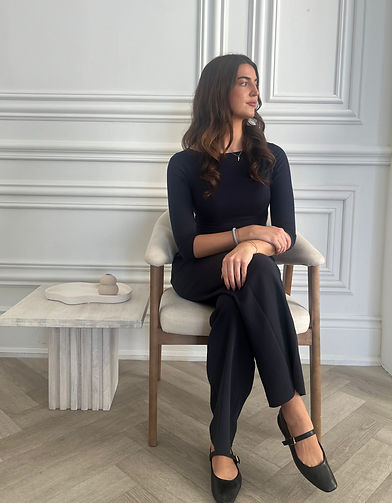
How We Treat Anxiety
Our clinicians use evidence-based approaches, chosen to fit your goals and the way your anxiety shows up.
-
Cognitive behavioural therapy (CBT): the most researched treatment for anxiety. You learn to notice anxious thinking patterns, test them against reality and respond differently.
-
Exposure therapy: a gradual, collaborative way to face feared situations so they lose their hold, at a pace that feels manageable.
-
Acceptance and commitment therapy (ACT): skills to make room for anxious thoughts and feelings while still moving toward what matters to you.
-
Mindfulness-based strategies: practical tools to calm your body and step out of the worry loop.
In your first sessions, your clinician will get to know you, understand what's driving your anxiety and agree on clear goals with you. From there, sessions focus on skills you can use between appointments, so progress carries into daily life.
ANXIETY DISORDERS
Frequently Asked Questions
-
How do I know if I need therapy for anxiety? If worry, avoidance or physical tension is getting in the way of sleep, work, school or relationships, it's worth talking to a psychologist. You don't need a diagnosis or a crisis to start.
-
How long does anxiety therapy take? It depends on your goals and what you're working on. Many people notice meaningful change within 8 to 16 sessions of CBT, while others choose longer-term support. Your psychologist will review progress with you regularly.
-
Do I need a referral from my doctor? No. You can book directly. Some benefit plans ask for a referral before they reimburse, so check your plan.
-
Is therapy for anxiety covered by OHIP? No. Therapy with a psychologist in private practice isn't covered by OHIP, but it's covered by many workplace and extended health benefit plans.
-
Is virtual therapy effective for anxiety? Yes. Research shows that therapy by video can work as well as in-person sessions for many people with anxiety. Some prefer it because it's easier to fit into a busy week.
-
Do you see teenagers for anxiety? Yes. We work with teens and adults. For teens, we'll talk with you about how parents or caregivers can be involved.
-
Can a psychologist diagnose an anxiety disorder? Yes. In Ontario, registered psychologists can assess and diagnose anxiety disorders. A formal diagnosis isn't required to start therapy, but it can help when it's needed for school or work accommodations.

In-Person, Video, or Phone Sessions - Whatever Works Best For You
We provide in-person services in Toronto and virtual assessment services across Ontario, Quebec, Nova Scotia, and New Brunswick. Appointments are available by secure video, telephone, or in person, allowing you to access mental health care in the format that works best for you.
THE INTAKE PROCESS
How it works
